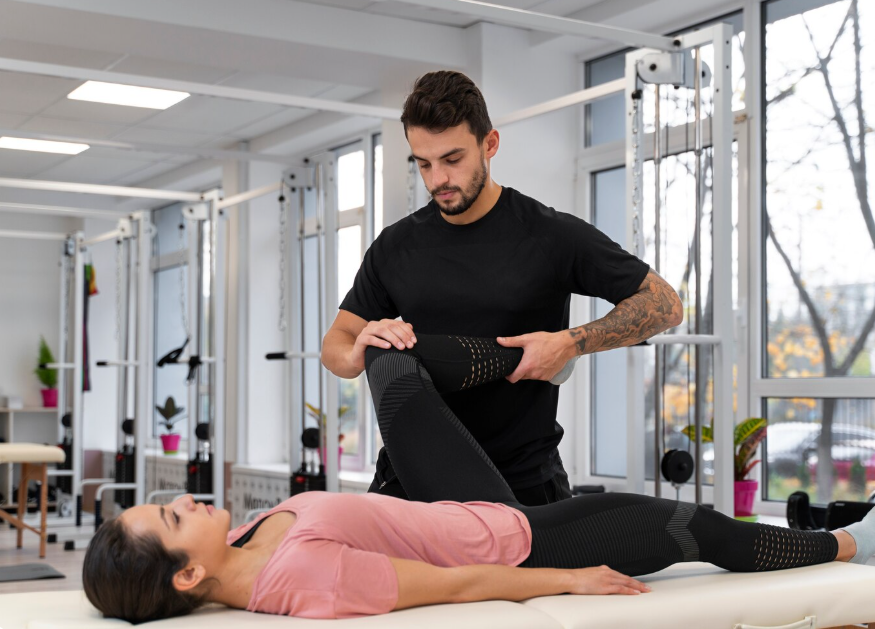
Maintaining good physical health is essential for enjoying an active and comfortable lifestyle. However, injuries, muscle stiffness, joint pain, and movement difficulties can affect everyday activities and reduce overall wellbeing. Physiotherapy Hillarys offers a valuable topic for individuals looking to understand how physiotherapy can support pain management, improve mobility, and encourage a safe return to daily routines. With appropriate professional guidance, people can work towards better physical function and long-term health.
Understanding the Role of Physiotherapy
Physiotherapy is a healthcare practice that focuses on improving movement, restoring physical abilities, and managing conditions that affect muscles, joints, and mobility. It can support people experiencing back pain, neck stiffness, sports injuries, joint discomfort, and difficulties following surgery.
A physiotherapist assesses an individual’s symptoms, movement patterns, strength, and flexibility to understand their needs. Based on this assessment, a suitable treatment programme can be developed to address specific concerns and establish realistic recovery goals.
Physiotherapy also encourages patients to understand their conditions and participate actively in their recovery. This combination of professional guidance and individual effort can help people develop healthier movement habits.
Personalised Treatment for Individual Needs
Every person experiences pain and physical limitations differently. Factors such as age, lifestyle, medical history, activity levels, and injury severity can influence recovery. For this reason, personalised treatment is an important part of effective physiotherapy.
Depending on the assessment, treatment may include therapeutic exercises, mobility training, manual therapy, balance activities, and advice on managing everyday movements. These techniques are selected according to the individual’s condition and physical capabilities.
Treatment plans may also change as strength and mobility improve. Regular progress assessments help determine whether exercises need adjustment and whether additional rehabilitation goals should be introduced.
For people researching Physiotherapy Hillarys, understanding the importance of individualised care can help them make informed decisions about their physical health.
Managing Pain and Improving Mobility
Pain affecting the back, neck, shoulders, hips, or knees can make ordinary activities uncomfortable. Sitting for long periods, repetitive movements, poor lifting techniques, and limited physical activity may contribute to some musculoskeletal problems.
Physiotherapy can help address these difficulties through suitable strengthening exercises, flexibility training, and movement education. For example, a person experiencing lower back discomfort may benefit from exercises that improve core strength and support better movement control.
Individuals with restricted shoulder movement may require targeted exercises to gradually restore flexibility and strengthen surrounding muscles. The appropriate approach depends on the underlying cause of the problem.
Although physiotherapy can help manage many physical conditions, persistent or severe pain should be assessed by a qualified healthcare professional.
Supporting Injury Rehabilitation
Sports injuries and everyday accidents can temporarily affect strength, balance, and movement. Muscle strains, ligament injuries, and joint problems may prevent individuals from participating in exercise or completing routine responsibilities comfortably.
Physiotherapy supports rehabilitation through structured activities that gradually improve flexibility, coordination, and strength. Early treatment may focus on comfortable movement and appropriate symptom management, while later stages may involve more challenging exercises.
A gradual return to physical activity is important because increasing exercise intensity too quickly may aggravate an injury. Professional guidance can help individuals understand their progress and identify appropriate next steps.
Promoting Healthy Movement Habits
Modern lifestyles often involve prolonged sitting, extensive screen time, and repetitive workplace activities. These habits may contribute to stiffness, reduced movement variety, and muscular discomfort.
Physiotherapy can provide practical advice on improving everyday movement. Taking regular breaks, changing positions, maintaining comfortable working arrangements, and incorporating suitable exercises may help support physical wellbeing.
Flexibility exercises can improve comfortable joint movement, while strengthening activities help muscles perform everyday tasks more effectively. Balance training may also be beneficial for individuals who need additional stability.
Developing these habits gradually can make physical activity easier to maintain over time.
Maintaining Long-Term Physical Wellbeing
Successful recovery involves more than reducing immediate discomfort. Building sustainable exercise habits and understanding how to manage physical demands can support lasting improvements.
Home exercise programmes often help individuals continue their progress between appointments. Activities should match personal abilities and be increased gradually as strength and confidence improve.
Choosing a qualified physiotherapist, discussing treatment goals, and following appropriate professional advice can further support recovery. Consistency, realistic expectations, and regular communication are important throughout the rehabilitation process.
Conclusion
Physiotherapy Hillarys: Your Partner in Pain Relief and Recovery highlights the importance of professional support in managing physical discomfort and improving movement. Through personalised assessments, therapeutic exercises, rehabilitation guidance, and practical movement education, physiotherapy can help individuals work towards greater mobility and improved daily function.
Whether managing an injury, experiencing joint stiffness, or seeking to maintain an active lifestyle, appropriate physiotherapy may provide valuable support. By developing healthy habits and following a suitable recovery plan, individuals can take positive steps towards better physical health, greater confidence, and lasting wellbeing.


